MOLD FACTS
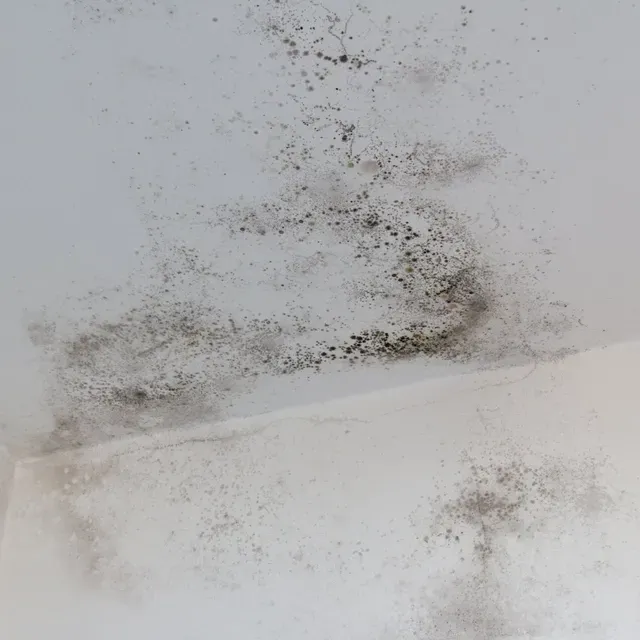
Mold is a fungus whose primary purpose is material biodegradation (disintegration of organic matter). In nature, mold enables rot by excreting enzymes via mycelium, a process, which is vital for all ecosystems. However, when this natural process is left unregulated in the home, it can cause devastating effects on structural integrity and your physical health.
MOLD SPORES
Due to the integral role of fungi (mold) in the ecosystem, mold spores are resilient. While mold needs moisture (relative humidity 68% or higher), food (organic matter), and optimum temperature Fahrenheit (50 – 90 degrees) to grow. It does NOT need any of these conditions to survive.
Whenever conditions become unfavorable, mold responds by releasing thousands of microscopic spores which will search for a host material so they can begin to grow into their own colony. During this host search is when mold can become especially dangerous to human health. Airborne spores can be inhaled, ingested and absorbed through the skin.
MOLD CLASSES (TOXICITY)
ALLERGENIC
Most mold species encountered indoors and in nature are allergenic. However high concentrations of allergenic mold can cause irritation to skin, eyes and throat and have been linked to asthma. Common examples include; Penicillium, Cladosporium, Alternaria…
PATHOGENIC
Pathogenic molds are capable of causing fungal infection, immunosuppression, and mycoses. Examples include; Acremonium, Aspergillus Fumigatus (toxigenic/pathogenic e.g – Aspergillosis) and Candida. Often pathogenic molds are hard to distinguish between toxigenic molds due to their “toxic” nature. However, different from toxigenic molds, not ALL pathogenic molds are capable of releasing mycotoxins.
TOXIGENIC
Toxigenic molds are capable of emitting mycotoxins (a potent carcinogen). Toxigenic molds have been linked with sinusitis, severe asthma and infection to the central nervous system. Examples include Stachybotrys (black mold), Fusarium and Aspergillus Niger.
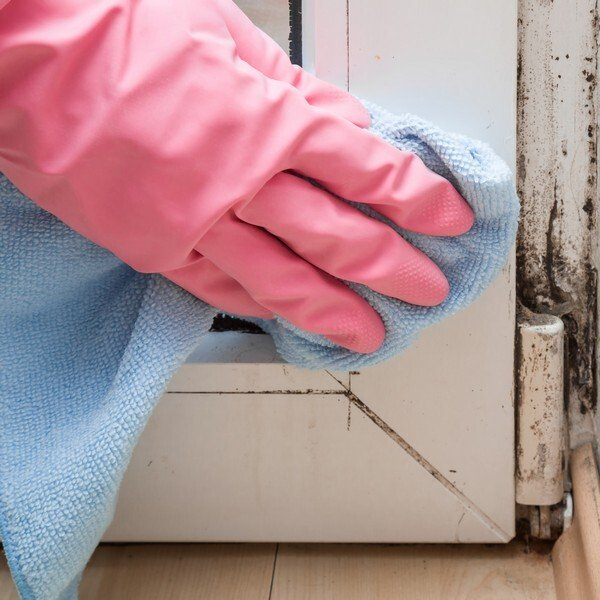
THE TRUTH ABOUT MOLD
All mold is harmful—there’s no such thing as a “safe” kind. The real danger lies in its ability to stay viable: alive, spreading, and releasing spores that threaten your health and your home.
That’s why A Healthy Home takes a comprehensive approach. We strictly follow all EPA guidelines for mold remediation, ensuring the problem is handled safely and effectively. But we don’t stop there—we go further by controlling the source of the moisture that allows mold to survive in the first place.
The result? A healthier crawlspace, a safer home, and peace of mind that the problem won’t come back.
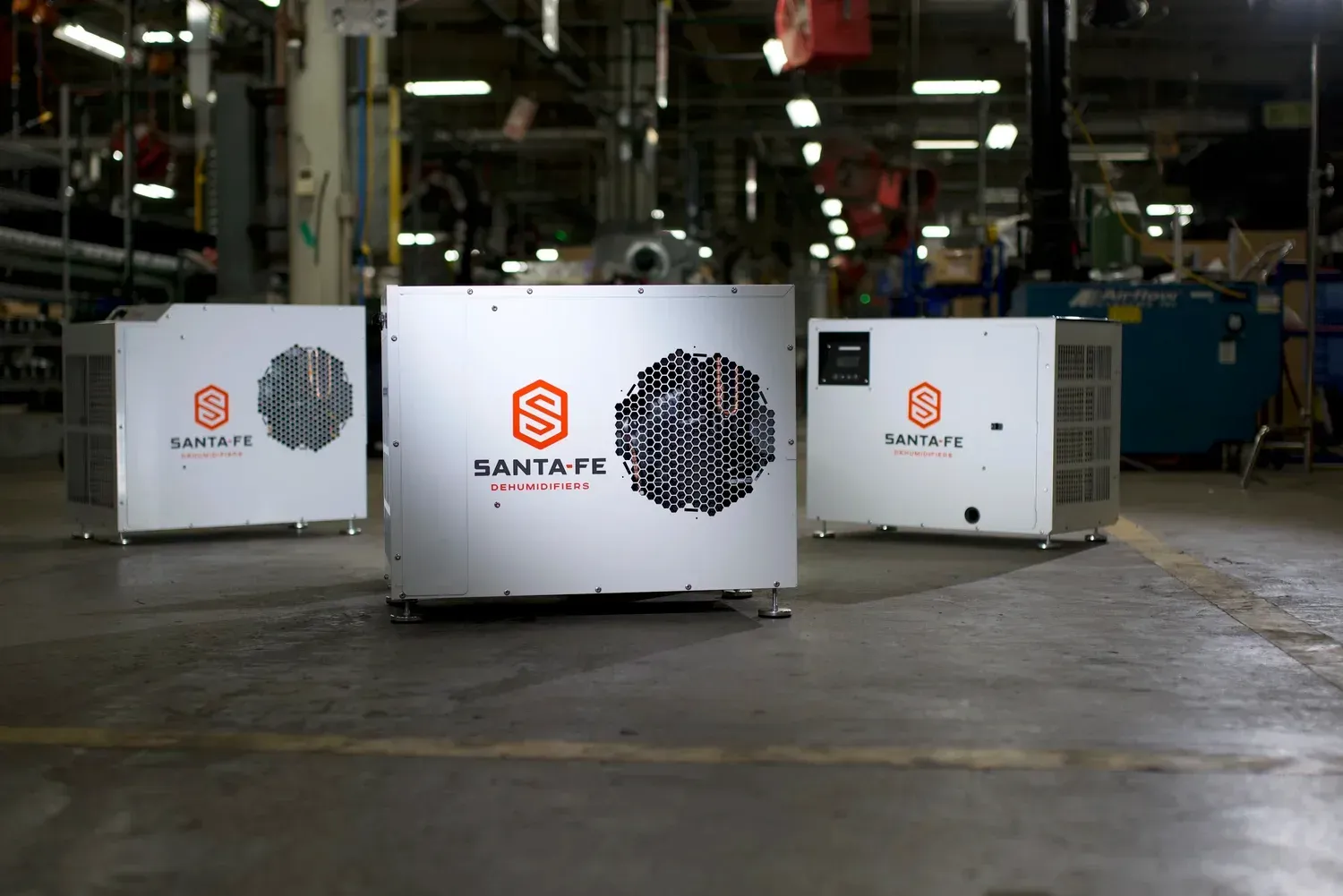
Dehumidification is the only practical method.
Dehumidification does more than simply removing the viability for mold and bacterial growth. If you have wooden floors you remove the potential for crowning and cupping. If you have an issue with excessive dust. Dust mites need 65-80% humidity to survive comfortably. Humidity control in the crawlspace will eradicate any potential for rodent and insect habitat (suppressing the major components of bacterial amplification in the home). Enjoy the effects or dehumidification and contact a specialist at A Healthy Home today, so we can restore your home to a livable and healthy condition. We follow OSHA standards and are fully licensed, insured, and certified, so call (919)-918-0200 today for a free estimate!