
NORTH CAROLINA INSULATION EXPERTS
THE TRUTH ABOUT CRAWLSPACE INSULATION
Crawlspace insulation is meant to stop heat loss through conduction—the transfer of heat through solid materials. Unfortunately, the most common type used in homes today, traditional subfloor "batt" insulation, fails miserably. Instead of protecting your home, it often:
- Traps moisture and fuels mold growth
- Becomes a nesting ground for termites and rodents
- Breaks down and falls apart over time, leaving your crawlspace exposed
At A Healthy Home, we take a smarter, more innovative approach. Our advanced insulation solutions are built to last, resist moisture, and actually do what insulation is supposed to—protect your home’s comfort, efficiency, and safety.

PROBLEMS WITH SUBFLOOR "BATT" INSULATION
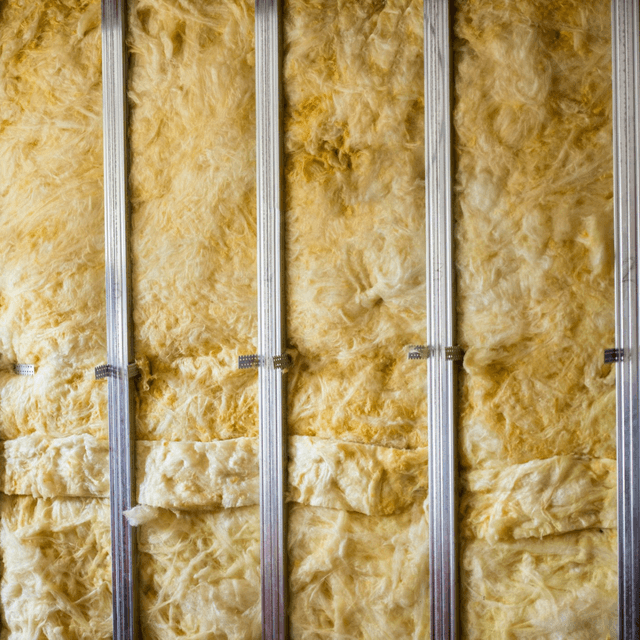
After years of inspecting crawlspaces, we’ve found that even in encapsulated homes, fiberglass insulation quickly turns into a hidden hazard. The combination of warmth, dampness, and darkness where the insulation meets the subfloor creates the perfect breeding ground for rodents, mold, and bacteria.
Here’s why it’s a problem:
- Rodent Havens – Fiberglass provides shelter, and when pests live (and die) inside it, they release harmful VOCs and bacteria that circulate into your home.
- Mold Factories – Most fiberglass is paper-backed, which means it’s an organic surface mold can latch onto, spread, and multiply rapidly.
- Stack Effect – Because warm air rises, the contaminated air from your crawlspace doesn’t stay there—it moves upward into your living space, degrading the air your family breathes every day.
The result? A system that not only fails to insulate properly but actively compromises your home’s health.
FEATURED VIDEO
Lets Talk Energy Savings
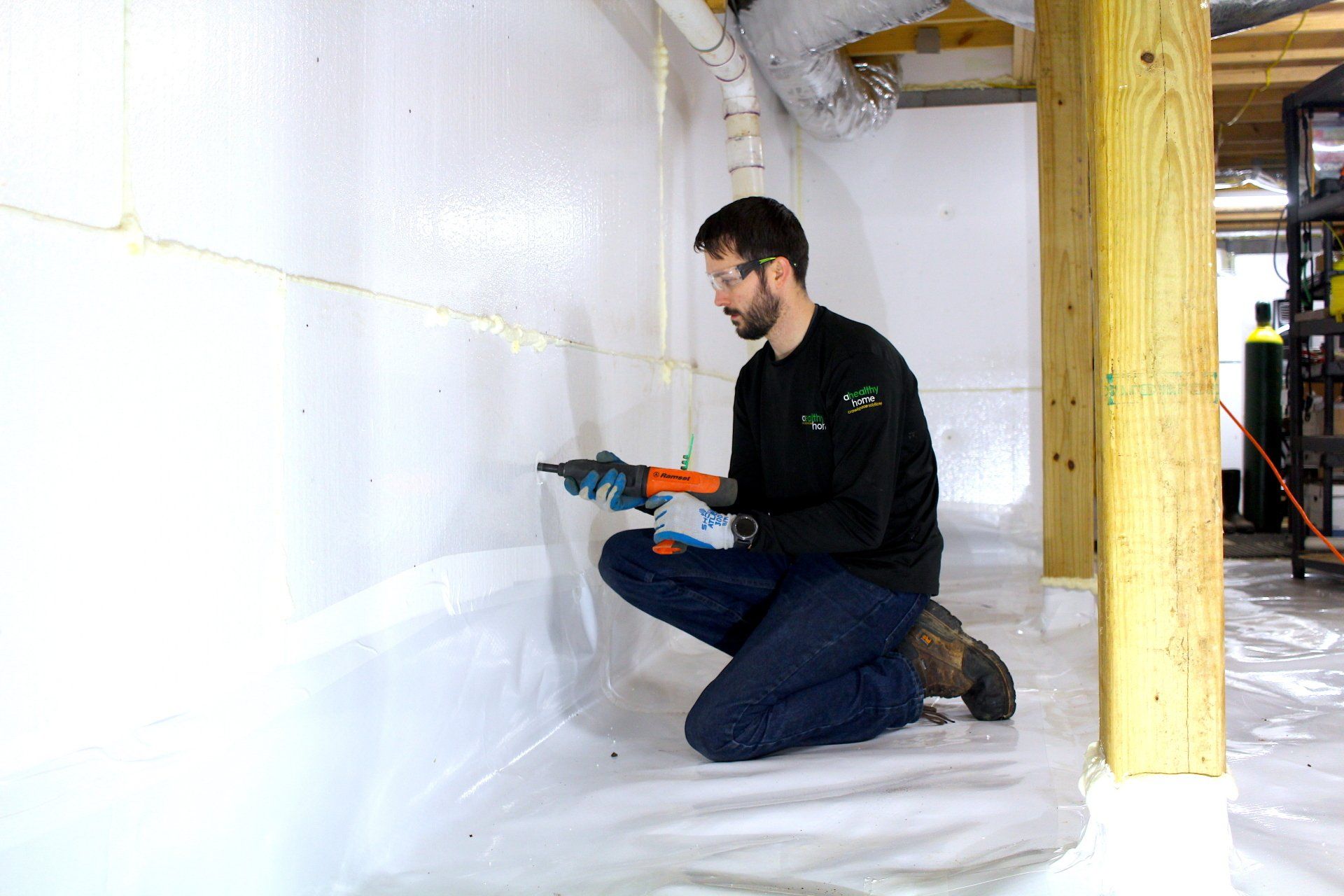
Did you know? The science behind crawlspace encapsulation is rooted in thermal control, air sealing, and moisture stabilization. By sealing exterior vents and insulating the crawlspace walls instead of the subfloor, the crawlspace becomes part of the home’s conditioned envelope — allowing the naturally stable earth temperatures beneath your home to passively moderate the environment through a geothermal effect. Combined with rigid foam board insulation, sealed rim joists, and airtight sill plate sealing, this dramatically reduces heat transfer, uncontrolled air infiltration, and humidity intrusion, helping your HVAC system operate more efficiently while improving comfort, indoor air quality, and long-term energy performance.